

- November 13, 2025
- by Ankkit H. T.
- English Speaking, Conversations
- 172 Views
- 0 Comments
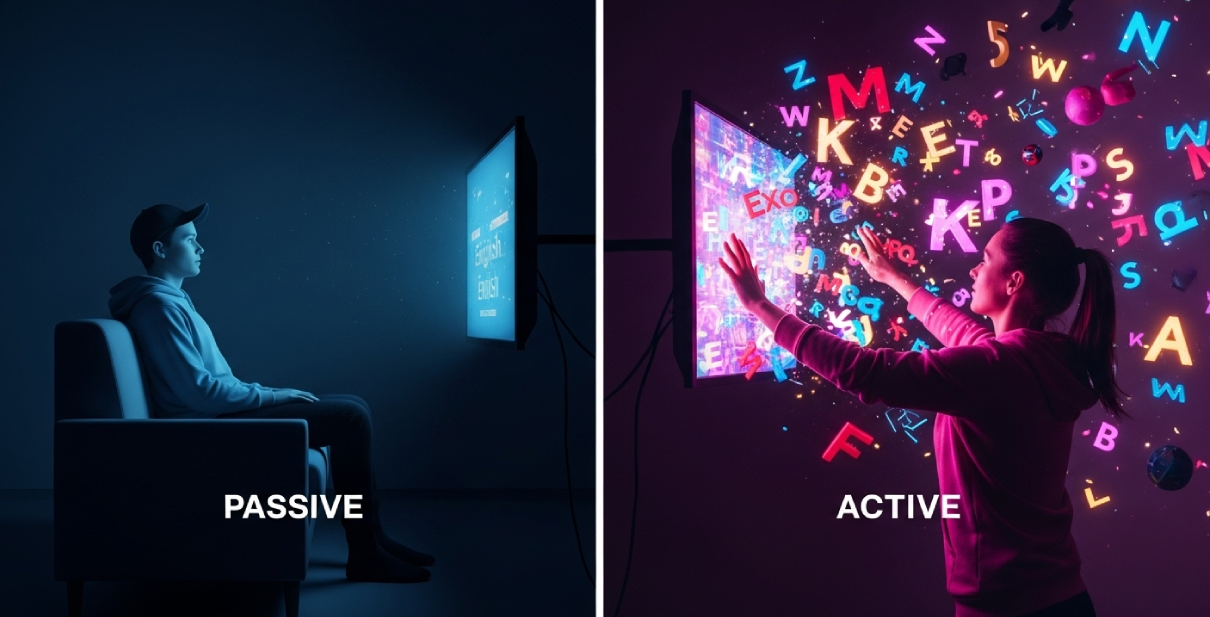
Active approach to English fluency is key: Watching English movies is fun, but it’s not enough to make you fluent. Fluency demands action, engagement, and practice, not just passive exposure.
Active approach to English fluency
The Reality of Passive Learning

- Watching and listening alone develop recognition but not active use.
- Without speaking or writing practice, your brain doesn’t form strong language pathways.
- Passive learning creates a false sense of progress and delays real speaking skills.
The Shift: From Watcher to Active Learner
Fluency grows when you use language actively. Your brain thrives on doing—speaking, repeating, writing, and interacting.
How to Turn Movie Time Into Practice Time
1. Use Subtitles Wisely
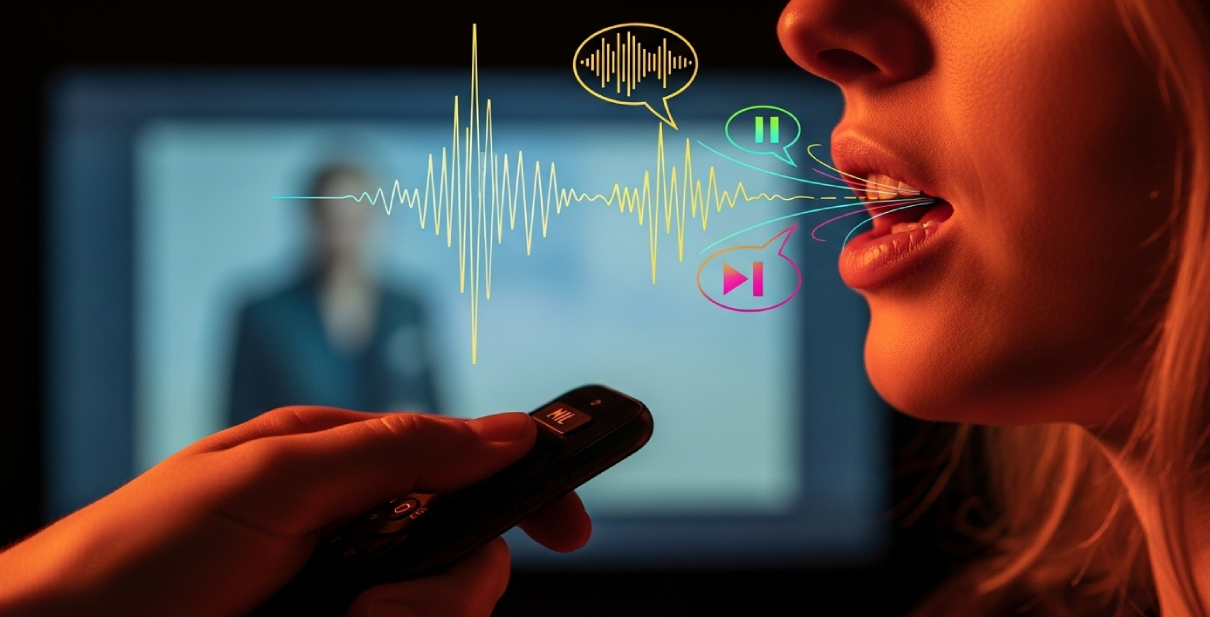
First watch with subtitles, then without, but focus on pronunciation and rhythm.
2. Shadowing
Repeat after characters line by line, matching their pace and intonation.
3. Pause and Speak
Pause scenes and describe what just happened aloud in English.
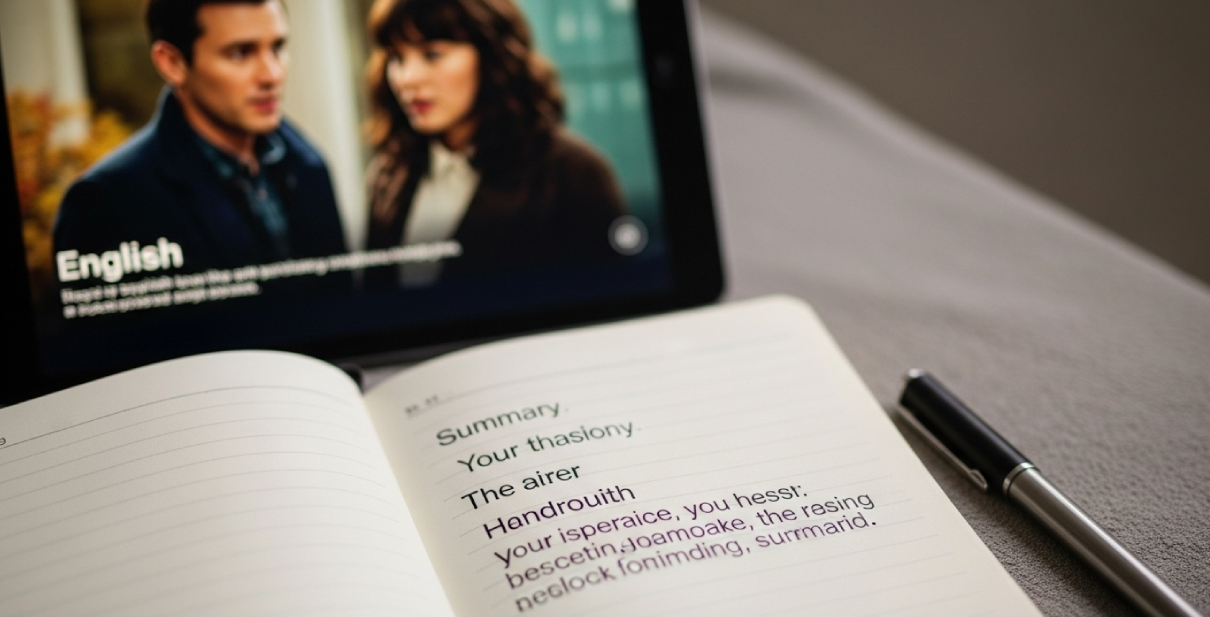
4. Write Key Phrases
Jot down common expressions or phrases you like and use them.
5. Summarize Scenes
Retell scenes to friends or record yourself summarizing.
Your Active Movie Challenge
- Pick a short clip or scene—2 to 3 minutes max.
- Watch once, then re-watch with active speaking practice (shadow, repeat, narrate).
- Use 3 new words or phrases you learned in your own sentences.
Final Thought
Entertainment is your starting point, but fluency requires you to step in and participate. Make every movie moment a chance to speak, use, and grow your English powerfully.
The Web Decor
Why Most of Us Feel Nervous Speaking English — And How to Start Overcoming It
Active approach to English fluency